
New Construction Drywall Built for Lasting Results
Drywall is one of those trades that looks simple from the outside and reveals its complexity the moment you try to do it yourself. Most homeowners have a story — a patched hole that won’t stop showing through paint, a taped seam that cracked within a year, a corner that never quite lined up right. Getting drywall truly right takes a combination of technique, patience, and experience that builds up over many jobs and many walls.
I’ve been working with drywall since my early days in construction, starting with small repairs and patches and growing into full installations, remodels, and finish work. It’s one of the foundational skills I developed working with my dad as a kid and continued to build through years of professional work in residential construction and remodeling. Today it’s one of the core services I offer, and it’s one I take seriously — because the quality of a drywall job directly affects every other finish in a room.
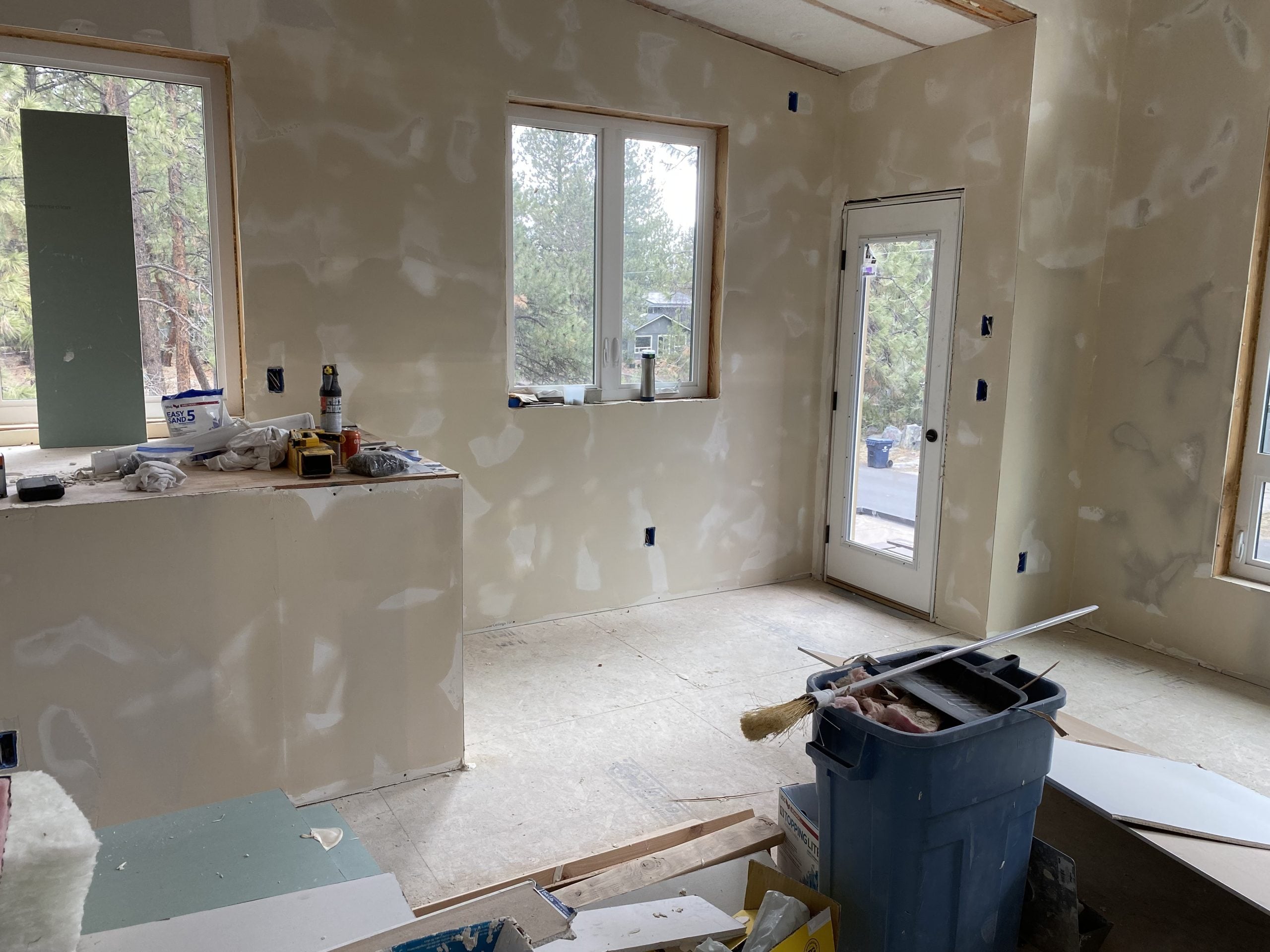
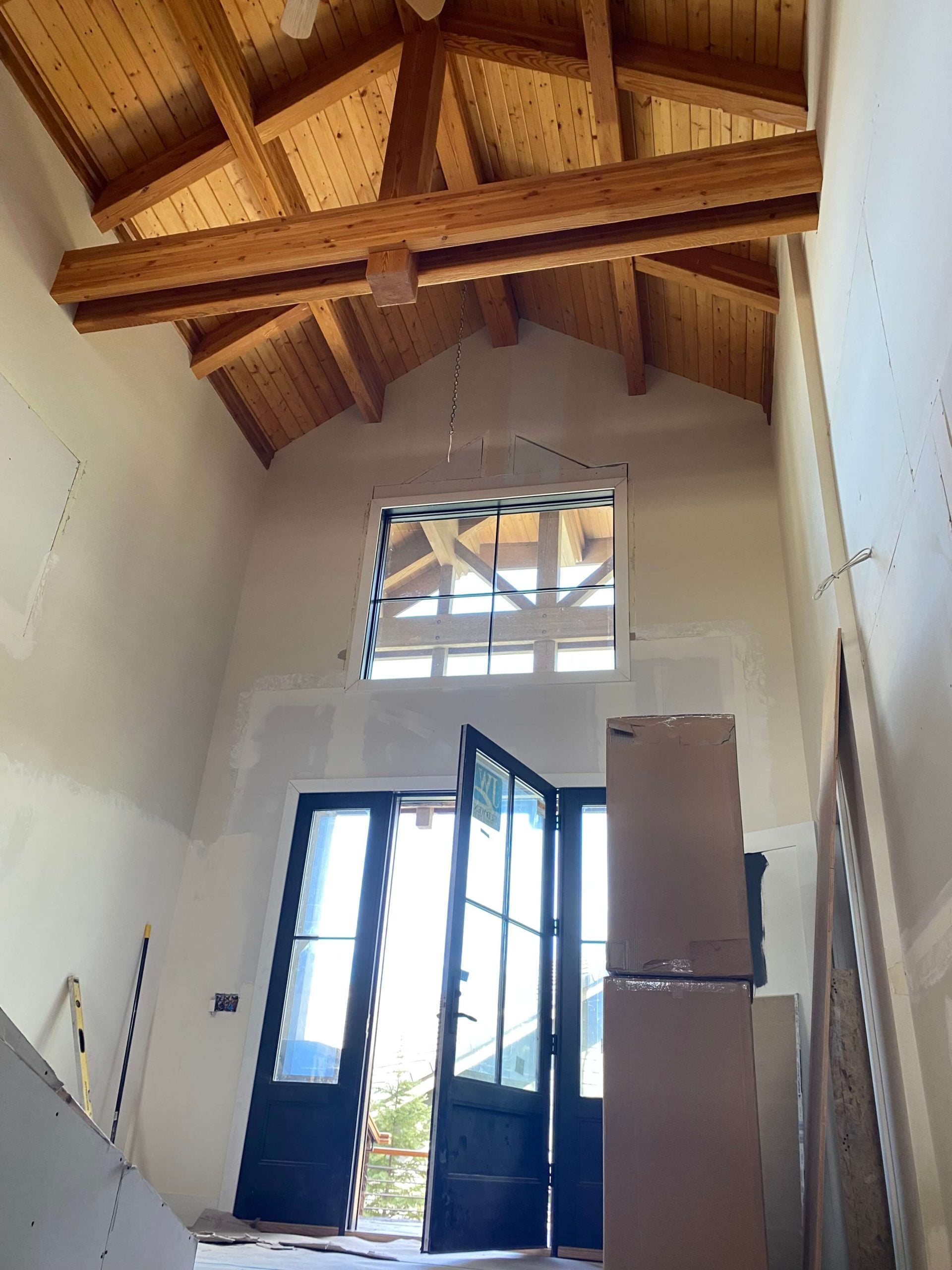
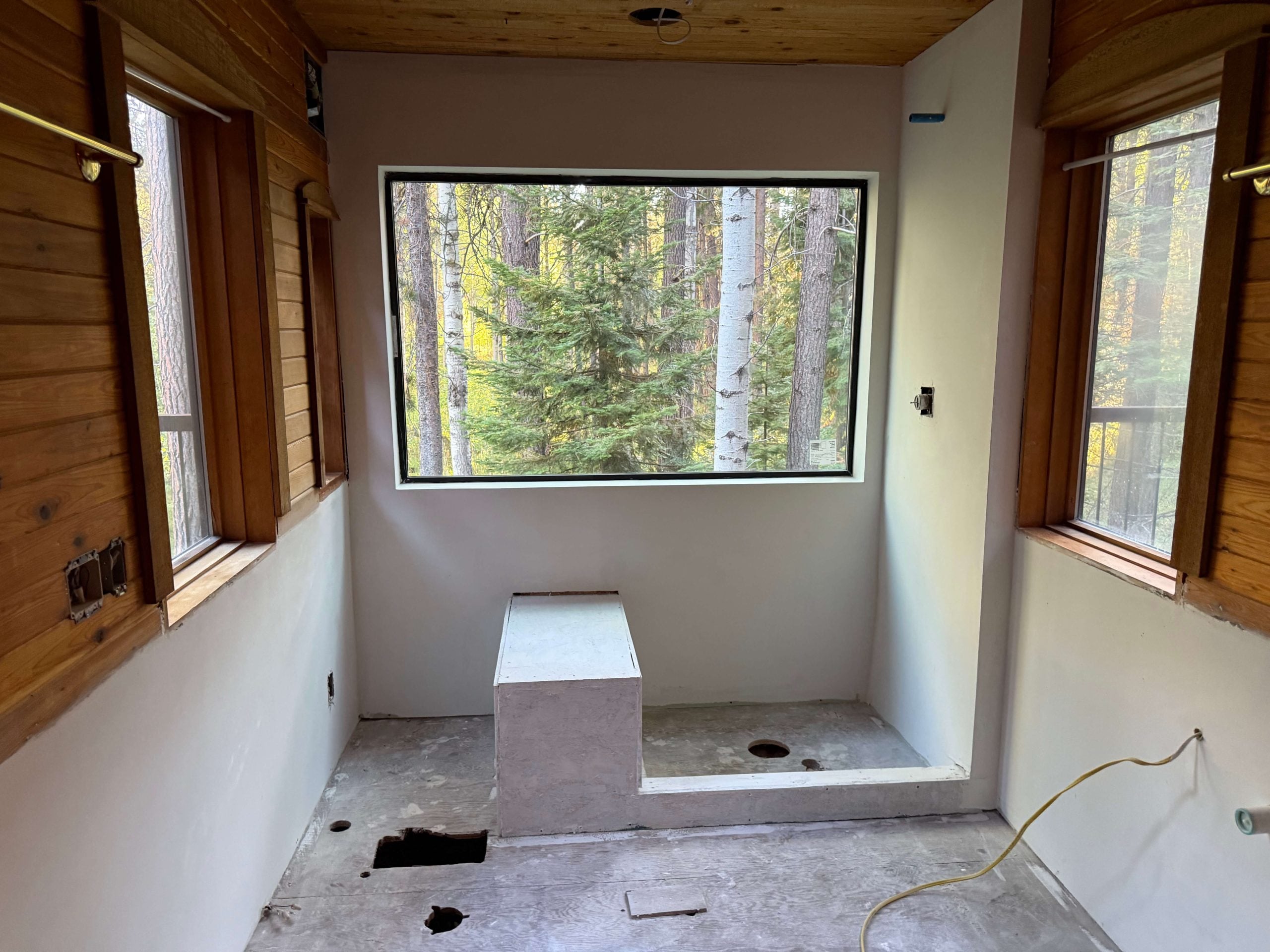
New construction drywall in Bend, Oregon, requires more than hanging panels and covering the seams. The quality of the installation affects how every wall and ceiling looks after painting. It can also influence the durability of the finished space.
Backed by decades of hands-on trade experience, we install drywall for custom homes, remodels, additions, garage conversions, and commercial interiors throughout Central Oregon. We pay close attention to panel placement, seams, corners, openings, and transitions from the beginning.
Careful installation creates a better foundation for taping, finishing, texturing, and painting. It also reduces the risk of visible seams, uneven surfaces, and unnecessary repairs later in the project.
Interior Framing and Complete Drywall Installation
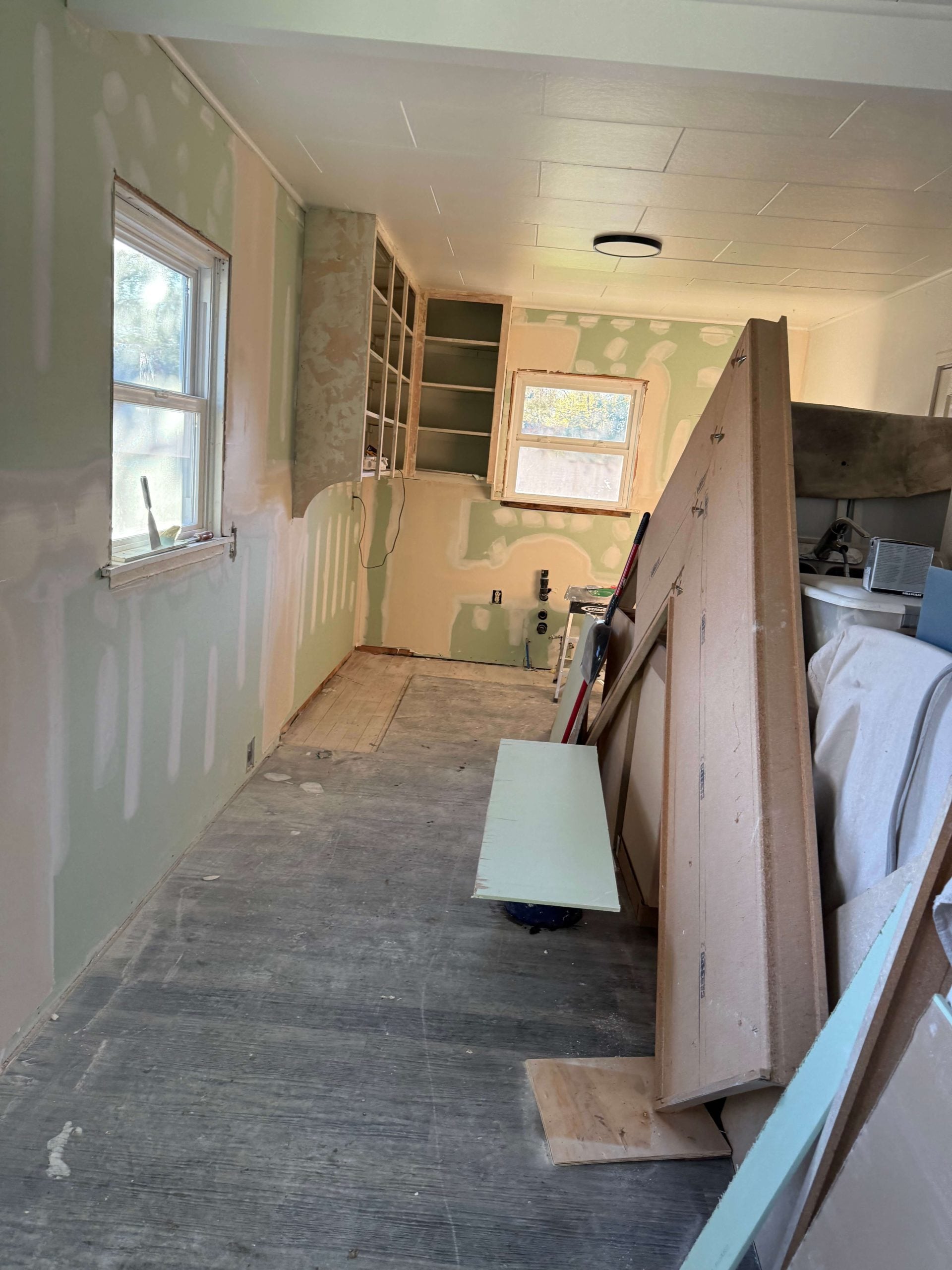
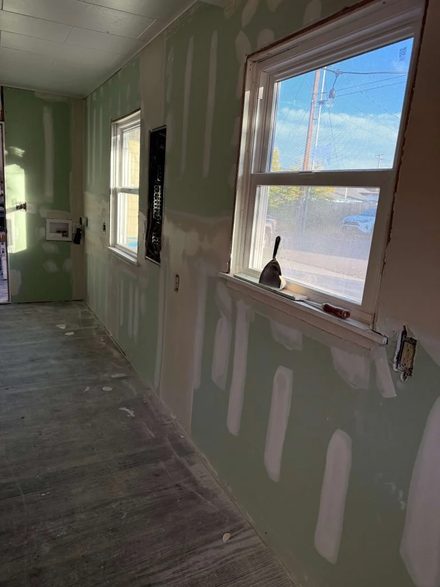
The most common drywall request I get is patching — holes from doorknobs, anchor damage, water damage repairs, or fixes left behind after an electrical or plumbing project. Patching seems simple, but an invisible patch is actually a skilled task. The surface has to be properly backed, the compound has to be built up in the right number of coats, and the feathering has to blend far enough out from the repair that it disappears completely once primed and painted.
I’ve seen a lot of patch jobs that look fine at first and then telegraph themselves the moment light hits the wall at an angle. That’s always a feathering or sanding problem, and it’s avoidable. When I patch a wall, the goal is that you genuinely cannot tell where the repair is — not just from across the room, but up close.
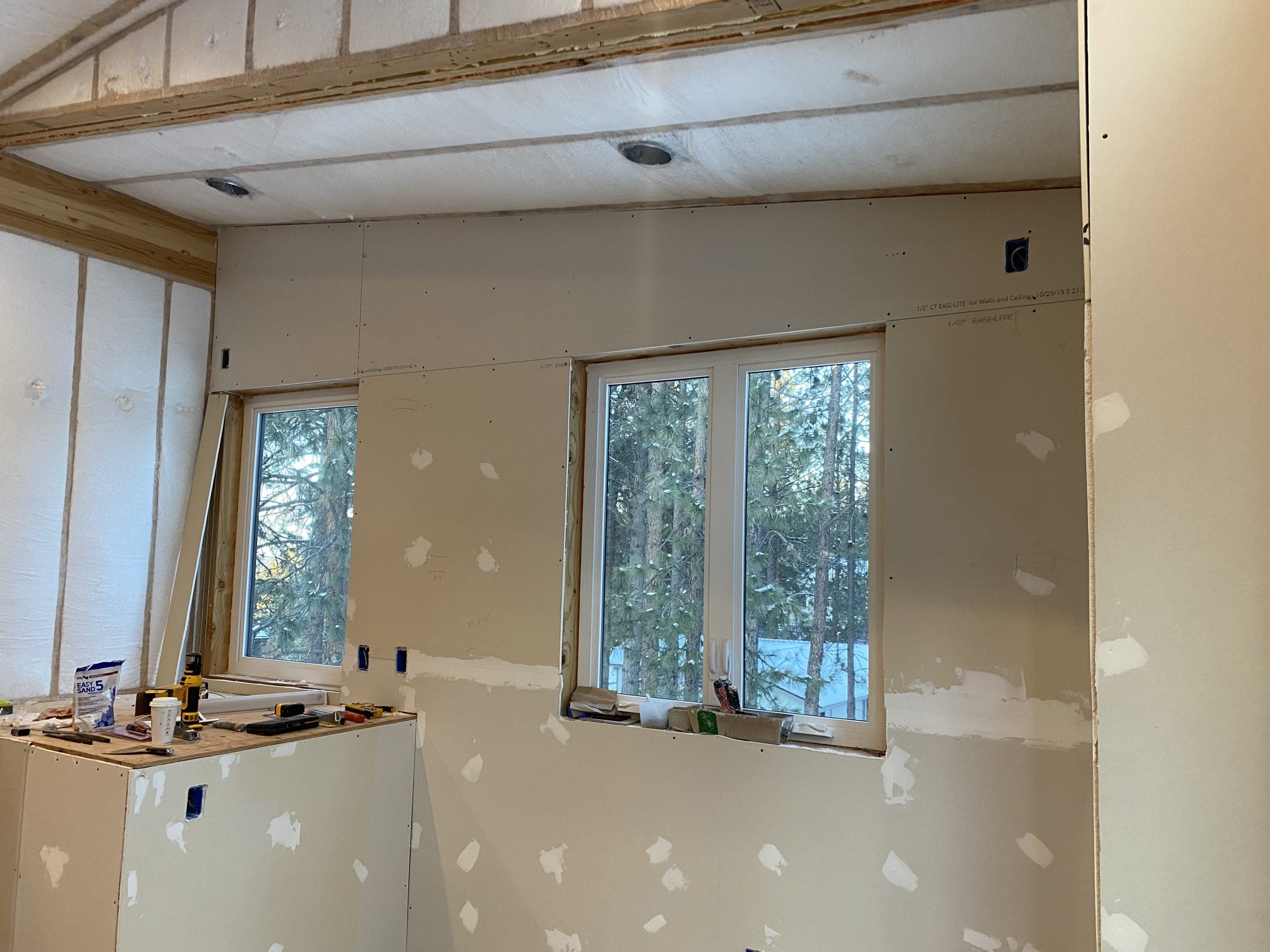
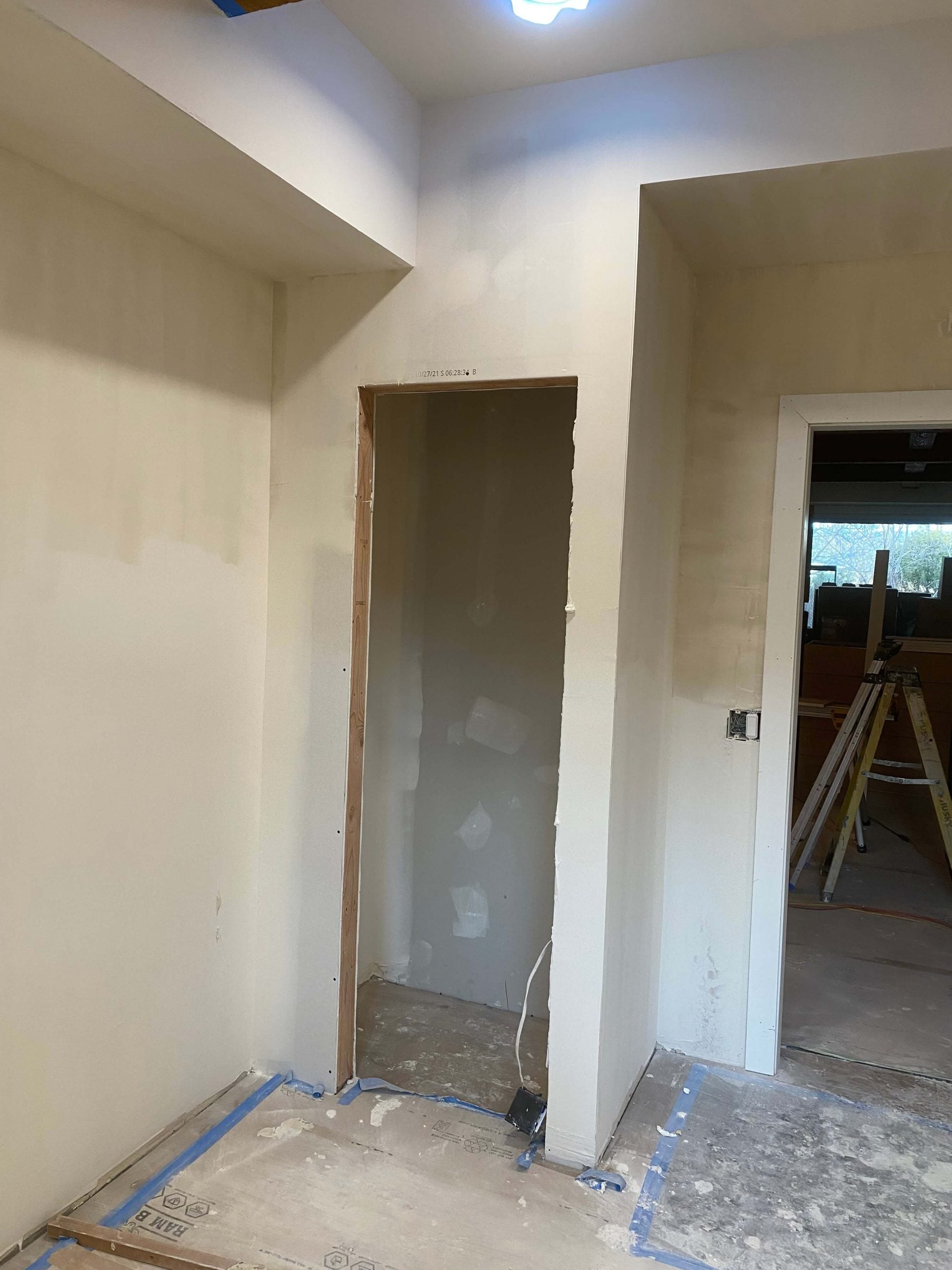
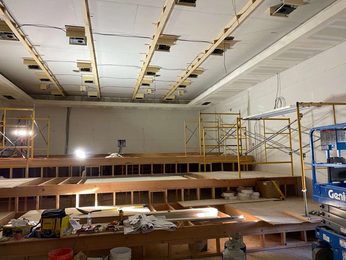
A quality drywall installation begins with properly planned framing. We provide interior framing and drywall installation for new construction, remodels, basement conversions, garage conversions, and other finished spaces.
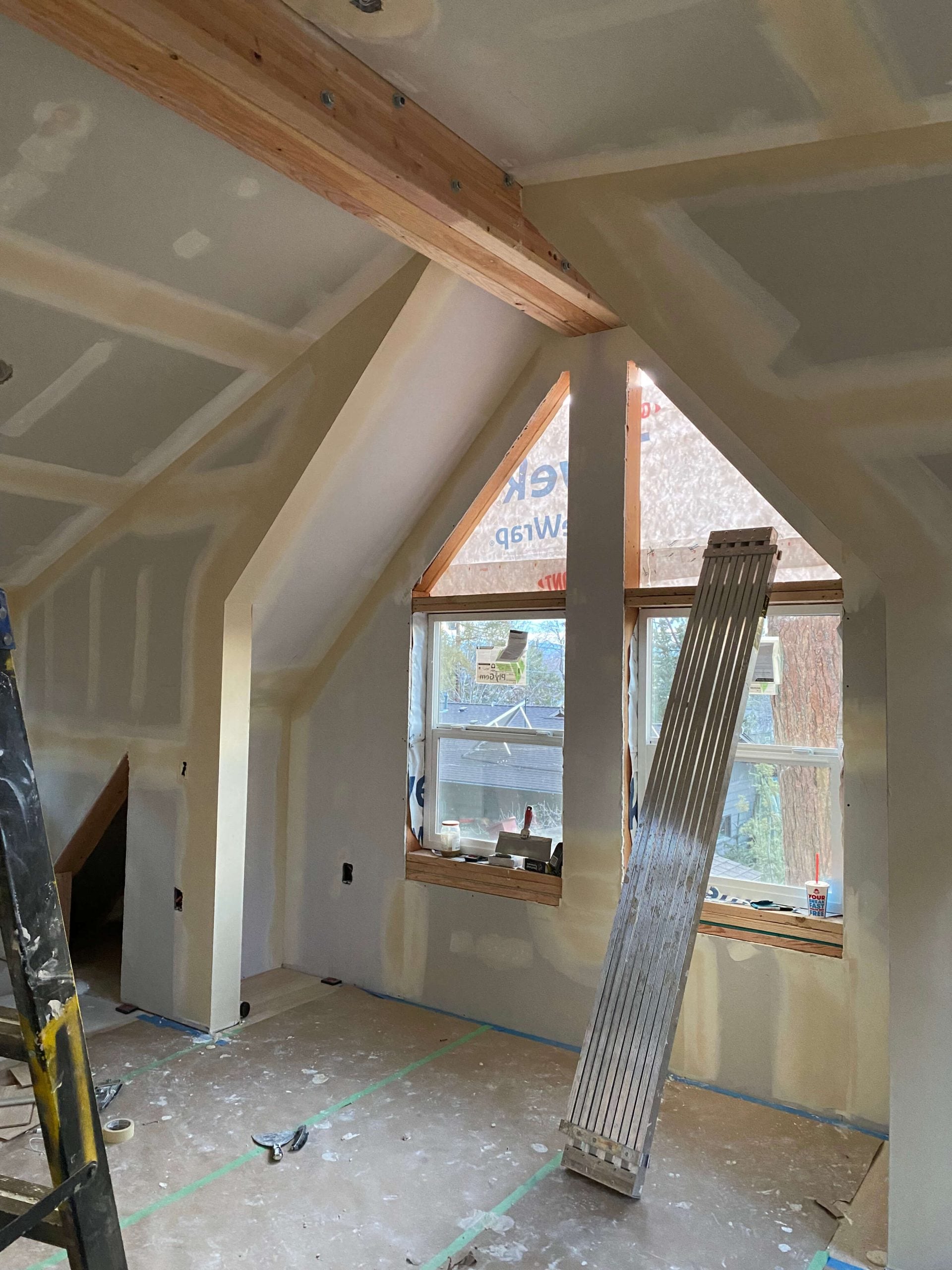
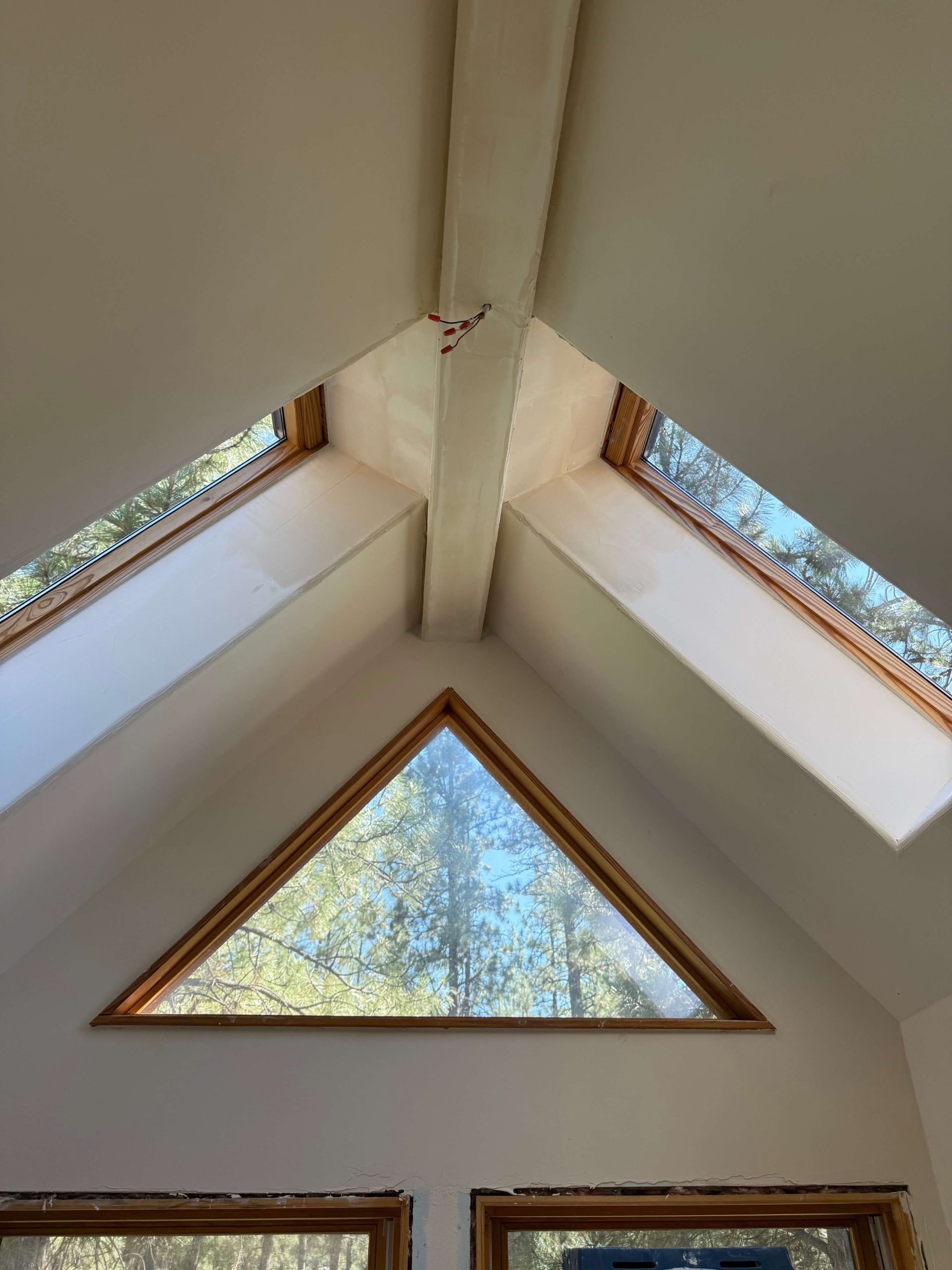
Before hanging drywall, we check the framing around walls, ceilings, windows, doors, and architectural details. This helps us identify uneven surfaces or alignment issues that could affect the finished wall.
We then select the appropriate drywall for each area. Standard drywall works well in most living spaces. Moisture-resistant panels may be used in bathrooms, kitchens, and other damp areas. Fire-rated drywall may also be required for garages, mechanical rooms, and certain shared walls.
Every panel is measured, cut, fastened, and positioned to create clean transitions and durable surfaces.
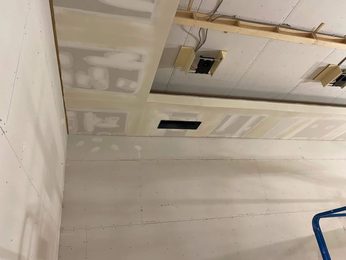
Drywall Repairs and Patches That Blend In
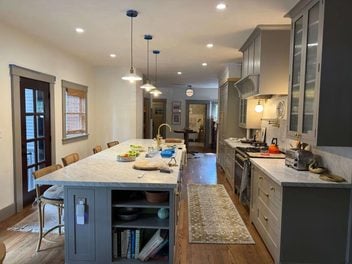
For new construction, additions, garage conversions, or room remodels, I handle full drywall installation from hanging to finish-ready.
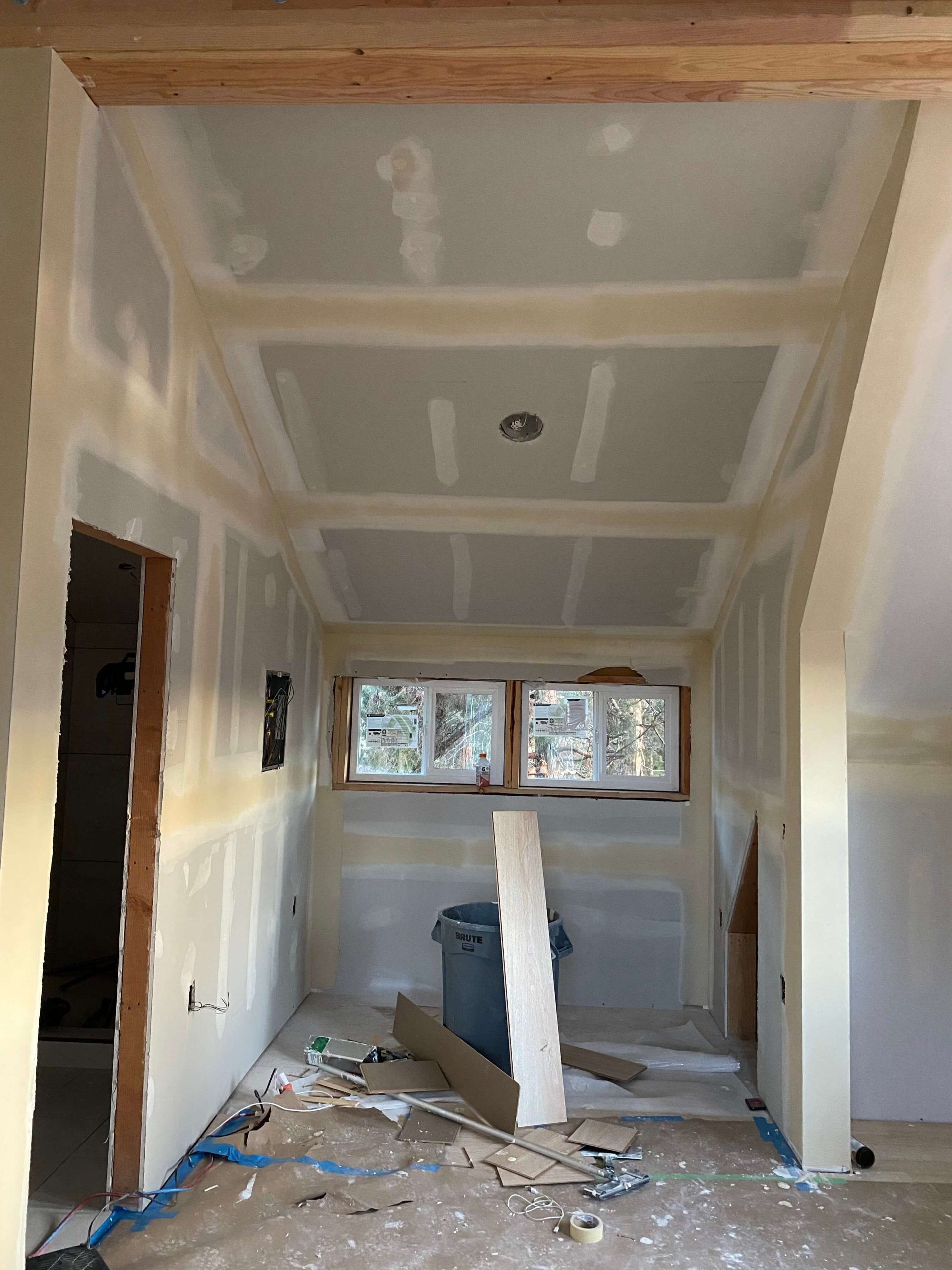
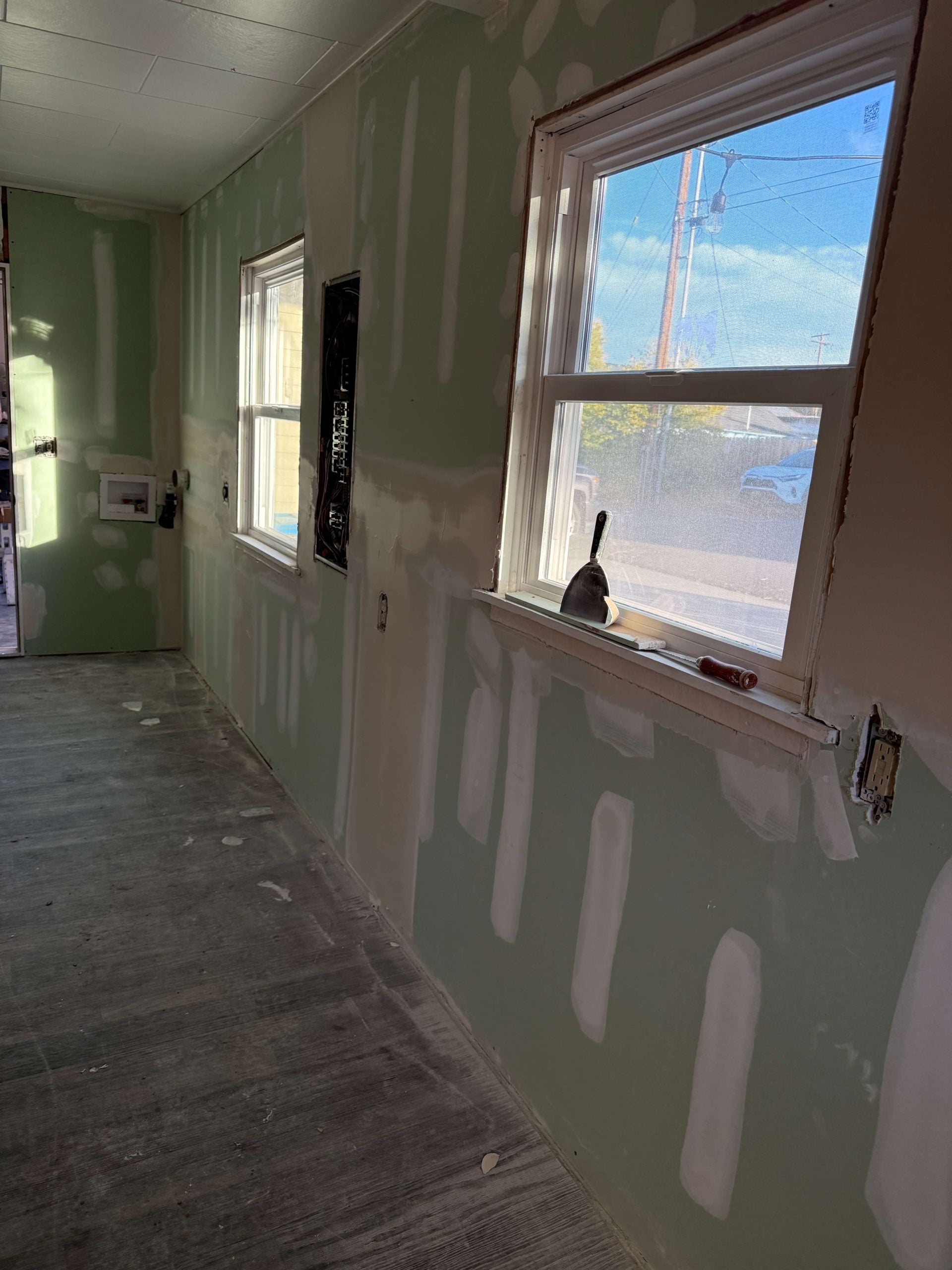
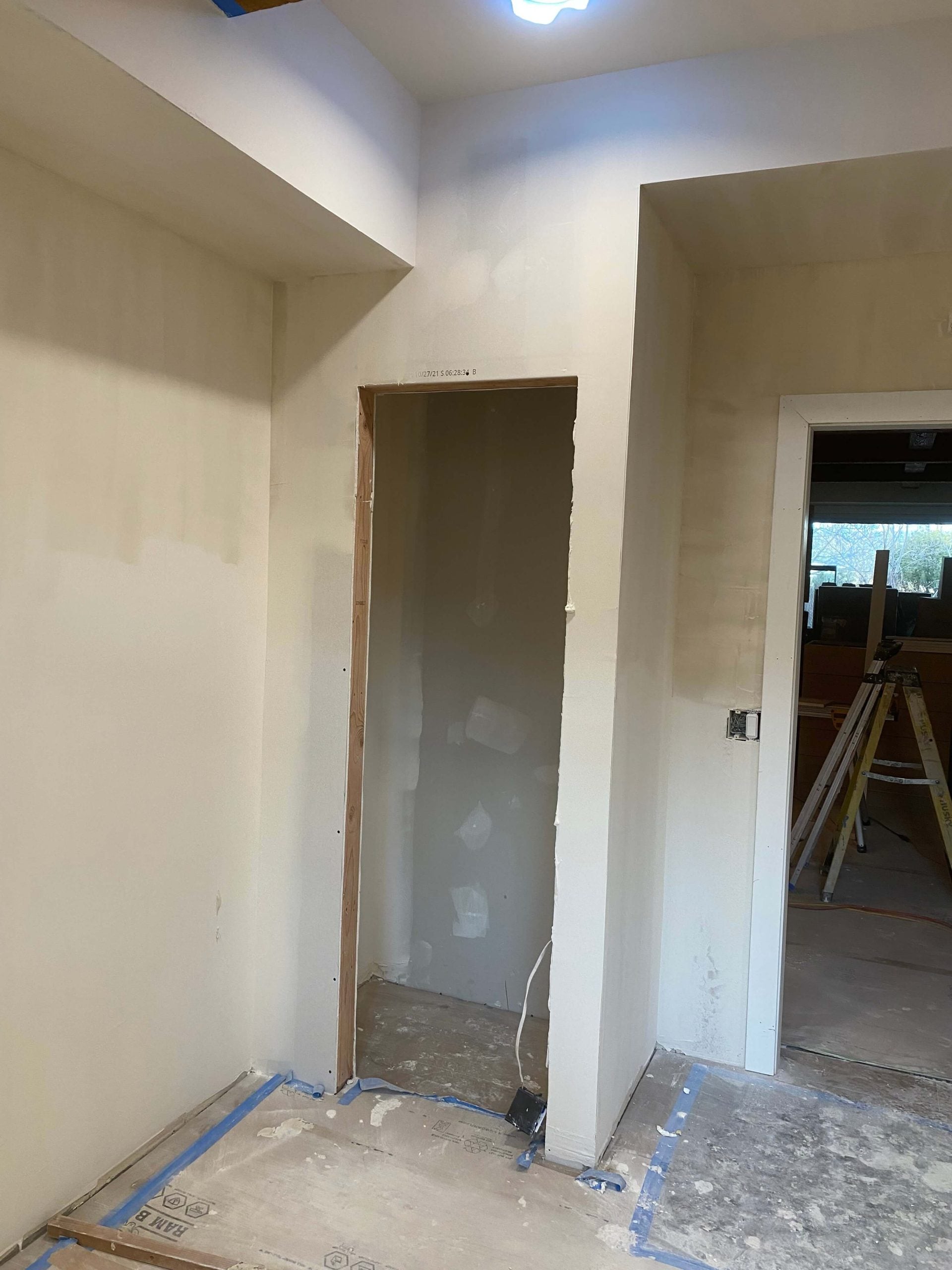
That process includes measuring and cutting sheets to fit, hanging and fastening correctly to the framing, taping all seams and corners, applying multiple coats of joint compound, and sanding to a smooth, paint-ready surface.
I work with standard drywall as well as moisture-resistant board for bathrooms and kitchens, and fire-rated drywall where required. Proper fastening patterns, appropriate screw depth, and straight seam placement all matter — they affect both the look of the finished wall and its long-term durability.
Drywall Finish Levels and Texture Matching
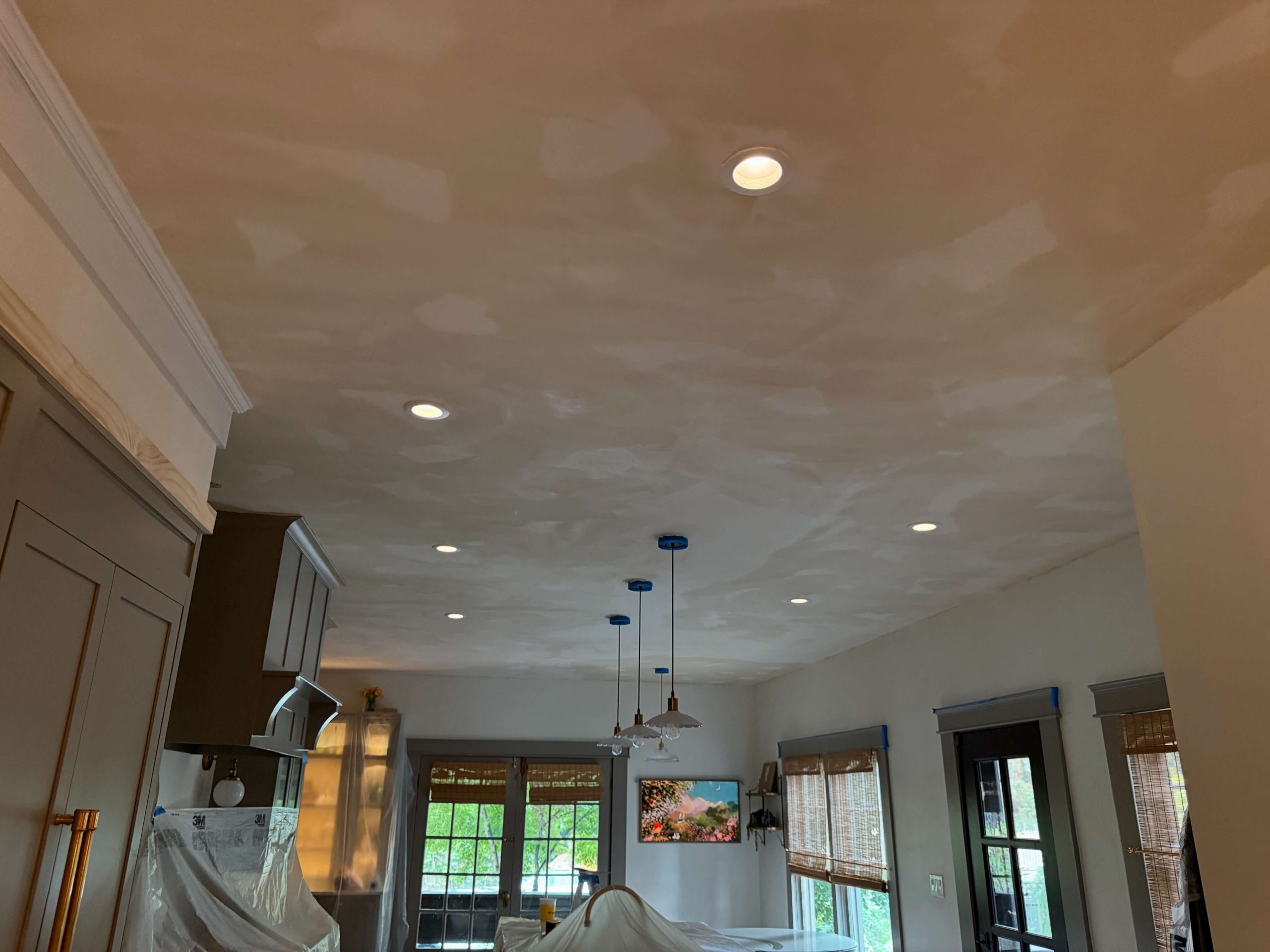
Not all drywall finishes are the same, and the right finish level depends on the application and the type of paint or finish that’s going over it. A flat painted wall in a living room requires a higher level of finish than a textured ceiling or a wall going behind tile. I work to the appropriate finish level for each situation and can apply a range of textures — orange peel, skip trowel, knockdown, and smooth — depending on what the space calls for and what matches the existing walls in your home.
Matching an existing texture is one of the trickier parts of repair work, and it’s something I take time to get right. A patch that’s technically solid but has the wrong texture is going to stand out just as much as a bad repair.
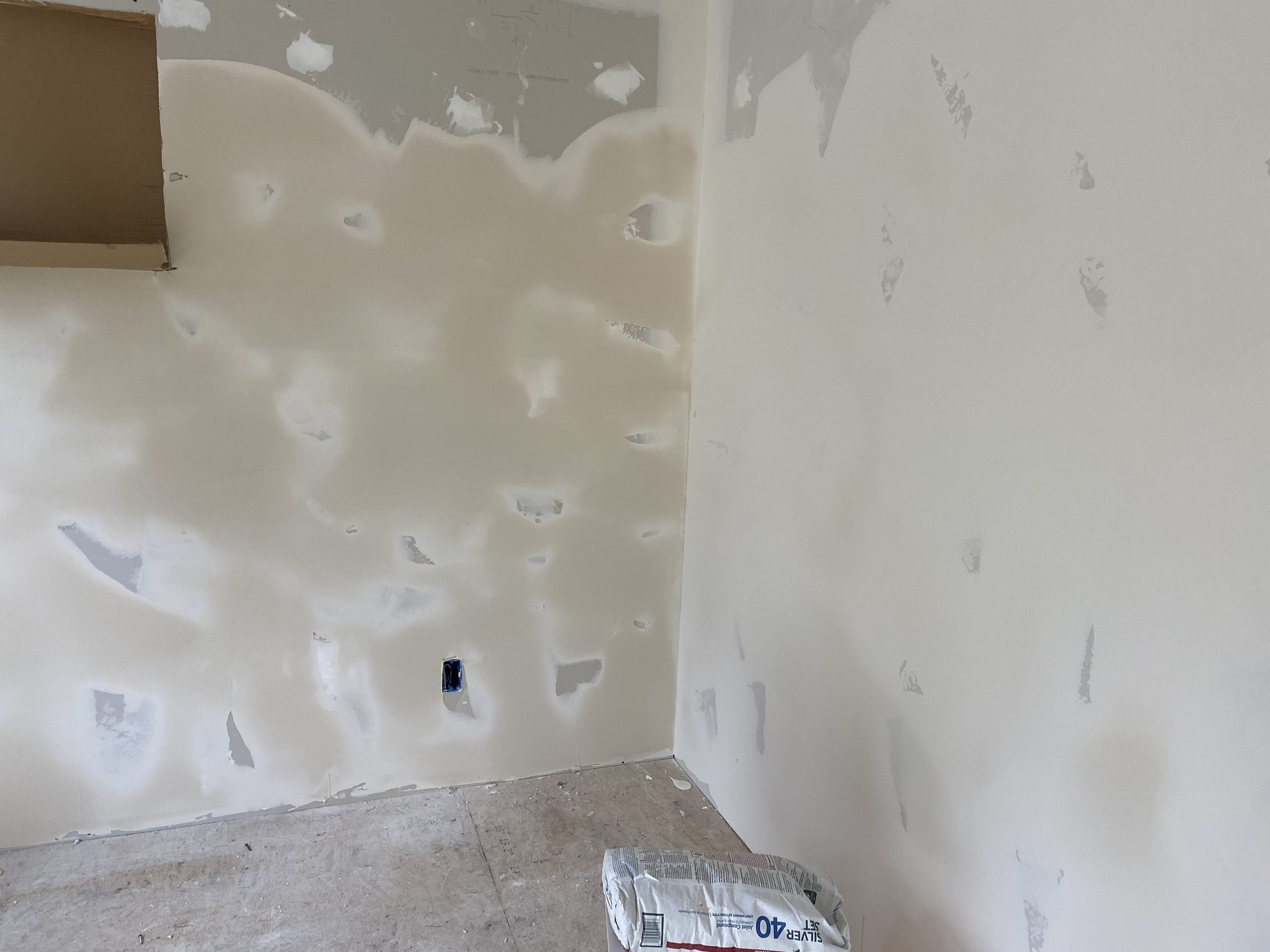
The appropriate drywall finish depends on the room, lighting, paint selection, and desired appearance. Some utility spaces may only require a basic finish. Living areas and commercial interiors usually need a smoother, more refined surface.
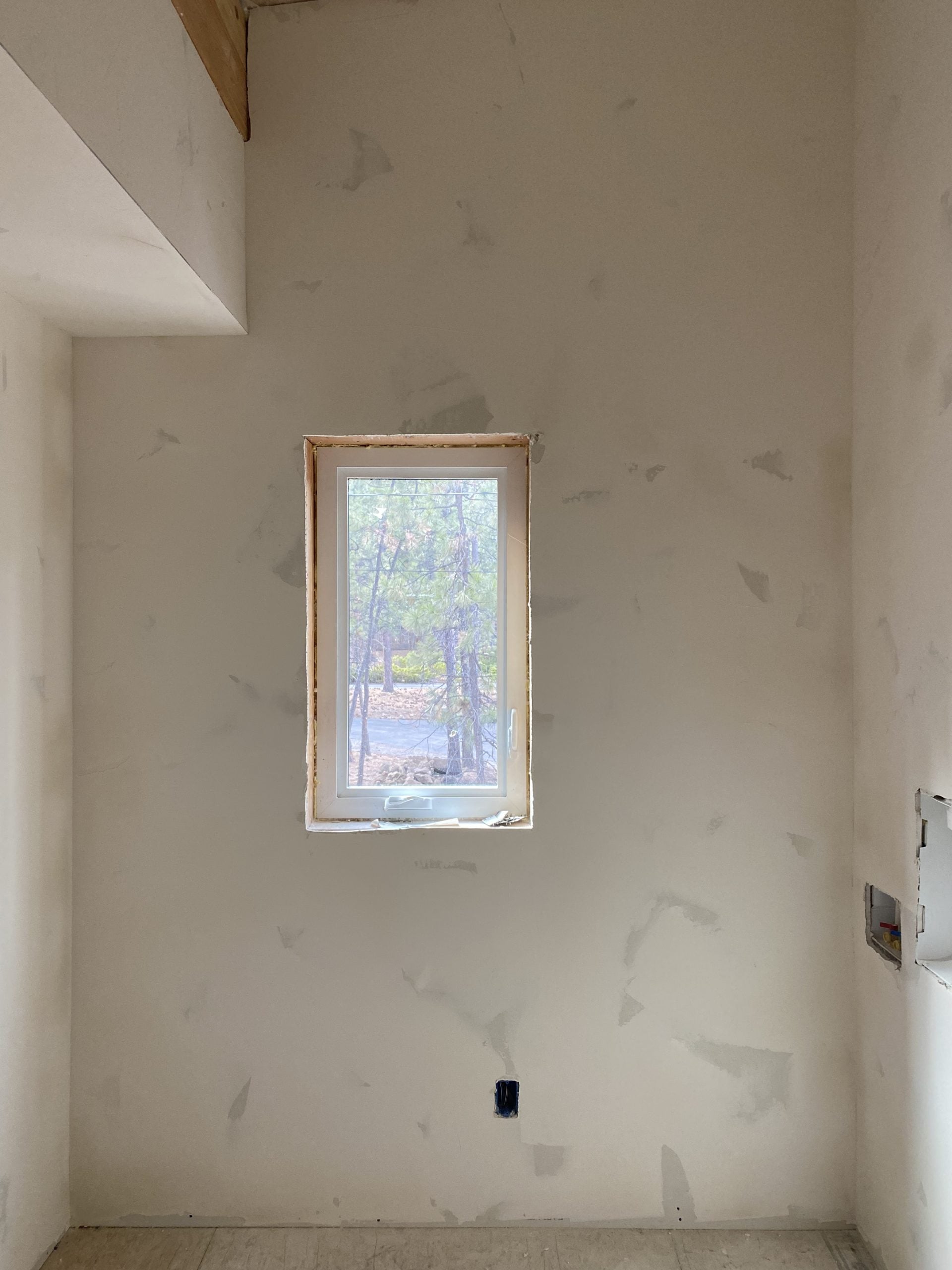
We provide multiple drywall finish levels, including smooth-wall applications and premium Level 5 drywall finishing. Level 5 finishing is especially valuable in rooms with large windows, strong natural light, recessed LEDs, dark paint, or high-gloss finishes.
We can also match many existing wall and ceiling textures. Careful texture matching helps repaired or remodeled areas blend with the surrounding space instead of looking like obvious additions.
Soundproofing and Specialty Drywall Applications
Some spaces require more than standard drywall. Home offices, bedrooms, media rooms, and commercial interiors may benefit from additional sound control.
Depending on the project, we can incorporate soundproofing methods such as insulation, resilient channels, acoustic sealants, or additional drywall layers. Each component helps reduce sound transfer through walls and ceilings.
We also install moisture-resistant and fire-rated drywall where appropriate. These materials help the finished space meet its performance and construction requirements.
Services Include
- New construction drywall installation
- Interior framing for new walls and finished spaces
- Patch and repair work (any size)
- Water damage repair and replacement
- Texture application and matching
- Garage and basement conversions
- Moisture-resistant and fire-rated drywall
- Finish-ready surface preparation for painting
- Soundproofing drywall applications
- New construction drywall installation
- Interior framing for new walls and finished spaces
- Patch and repair work (any size)
- Drywall installation for remodels and additions
- Water damage repair and replacement
- Drywall texture application and matching
- Basement and garage conversions
- Moisture-resistant and fire-rated drywall
- Finish-ready surface preparation for painting
- Soundproofing and specialty drywall applications
TESTIMONIAL
What Our Clients Say
Marco and his team renovated a town home for us. The work included framing, plumbing, electrical, drywall, painting and custom tile work. The craftsmanship was outstanding. They met their schedules and estimates and communicated well throughout the project. We have recommended them to friends and will absolutely use them in the future.
Brian and Michelle Nelson
I’ve hired Drywall Designed by Marco for several projects, and Marco consistently delivers exceptionally smooth drywall finishes—a skill that’s hard to find. While the process may require some patience, Marco is committed to addressing any issues and ensuring the final result meets high standards. I’m very satisfied with the quality of his work and would recommend him for anyone looking for top-notch drywall finishing.
Tonny Edward
We needed a drywall finisher. Marco showed up promptly gave us a bid, and got right to work. He is not completely done yet, but he has been very professional and everything looks very well done. We are very happy with Marco.
Gordon K. (Yelp)
CONTACT US
Request a New Construction Drywall Estimate
New Construction Drywall and Framing FAQs
Do you provide drywall installation for new construction in Bend, Oregon?
Yes. We install drywall for custom homes, additions, remodels, garage conversions, commercial interiors, and other new construction projects throughout Bend and Central Oregon.
Do you provide framing as well as drywall installation?
Yes. We provide interior framing for walls, ceilings, openings, and architectural features within the approved project scope. Proper framing creates the straight, stable foundation needed for a quality drywall finish.
What types of drywall do you install?
We install standard drywall along with moisture-resistant, fire-rated, and other specialty panels when the space or building requirements call for them. We recommend materials based on the room, intended use, and applicable construction requirements.
What drywall finish levels are available for new construction?
Finish levels range from basic utility finishes to smooth Level 4 and premium Level 5 surfaces. The right choice depends on the lighting, paint, location, and desired appearance of the finished space.
How long does new construction drywall installation take?
The schedule depends on the size of the project, framing conditions, finish level, drying time, and coordination with other trades. We review these factors before work begins and provide a realistic project schedule.
Can you prepare new drywall for painting?
Yes. We can take the project from installation through taping, finishing, sanding, priming, and interior painting. This provides better continuity between the drywall surface and final paint finish.