
Tile Done Right — From Layout to Last Grout Line
A great tile job isn’t something most people can fully describe — but they know it when they see it. Clean lines, consistent spacing, transitions that make sense, grout that’s even and sealed properly. And they definitely know when something’s off. Lippage between tiles, uneven grout joints, cracked tiles from a bad substrate — these are the kinds of problems that show up months later and are expensive to fix.
I started doing tile work in Oregon in 2021, and I’ve spent the years since mastering the craft — learning different installation systems, studying products, and working through the kinds of real-world challenges that you don’t get from YouTube tutorials. What I’ve found is that tile installation rewards patience and precision more than almost any other trade, and those happen to be two things I genuinely enjoy bringing to a project.
Bathrooms Are My Specialty
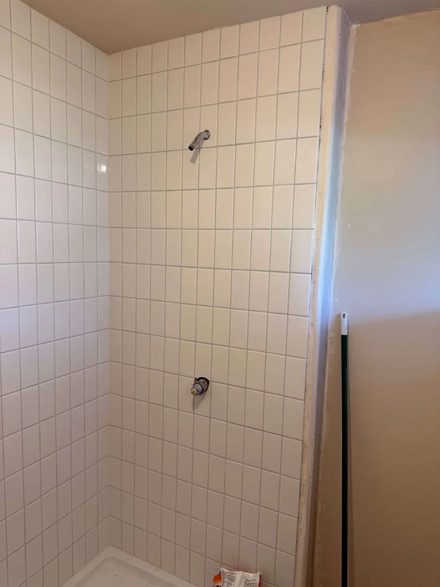
The bathroom is where most of my tile work lives, and it’s become one of my favorite spaces to work on. Bathrooms are personal. People start and end their days there. A well-done bathroom feels polished, calm, and functional — and tile is often the single biggest factor in creating that feeling.
Whenever I take on a bathroom project, I approach it as if I’m building it for myself. That mindset changes the way I look at every decision — the layout, the pattern, where cuts land, how transitions are handled at the floor and walls, how the grout color works with the tile. I think through all of it before a single tile gets set, because changing your mind mid-installation is expensive and frustrating for everyone.
I work closely with clients to understand their vision and help them make product selections that fit their style, their budget, and the practical demands of the space. A lot of homeowners have a look in mind but aren’t sure how to get there — I enjoy that part of the process and can help translate inspiration into a concrete plan.
Substrate and Waterproofing — The Part Nobody Sees
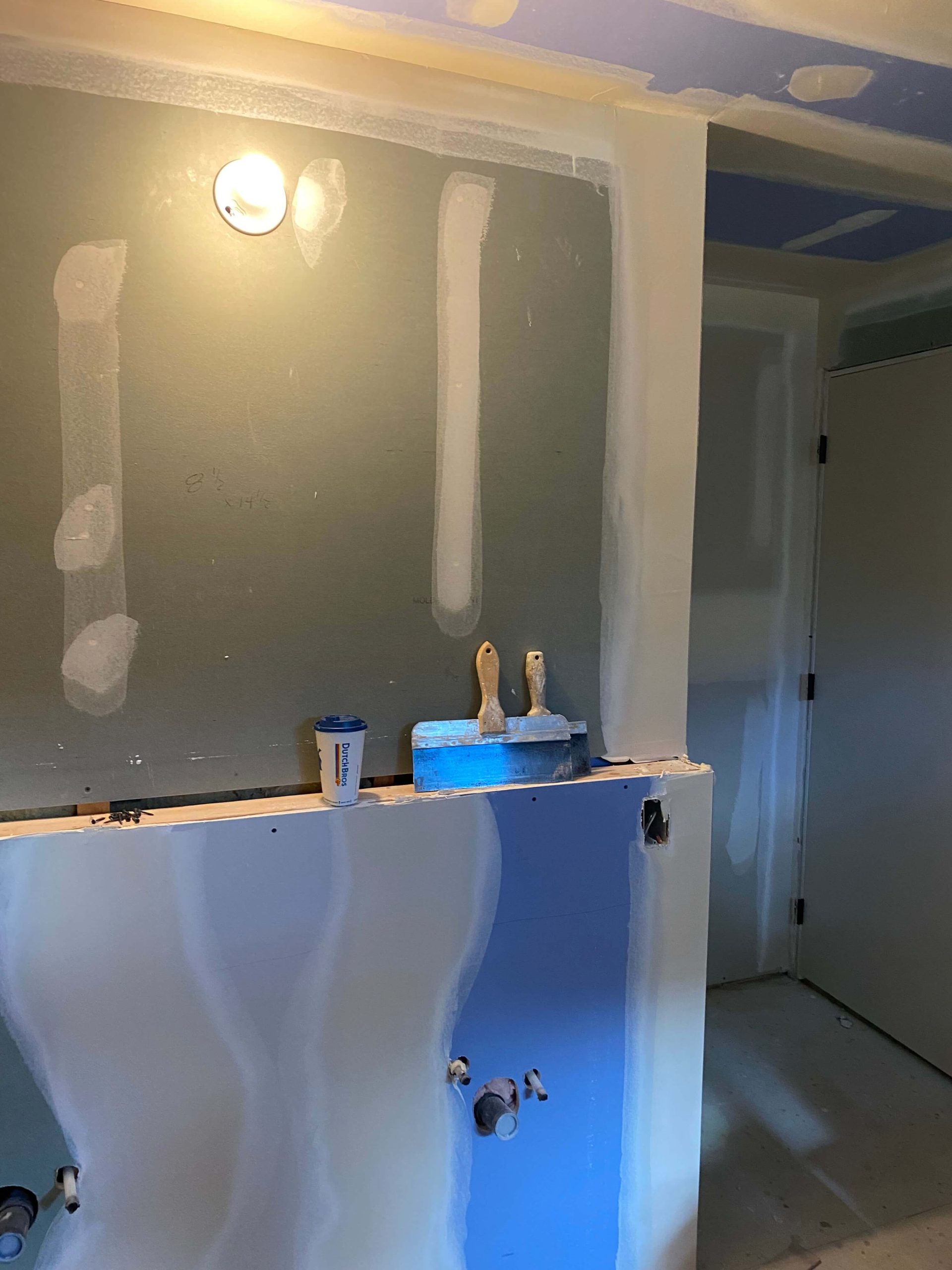
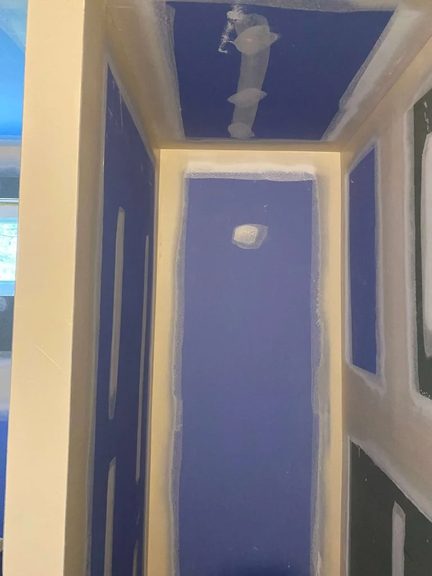
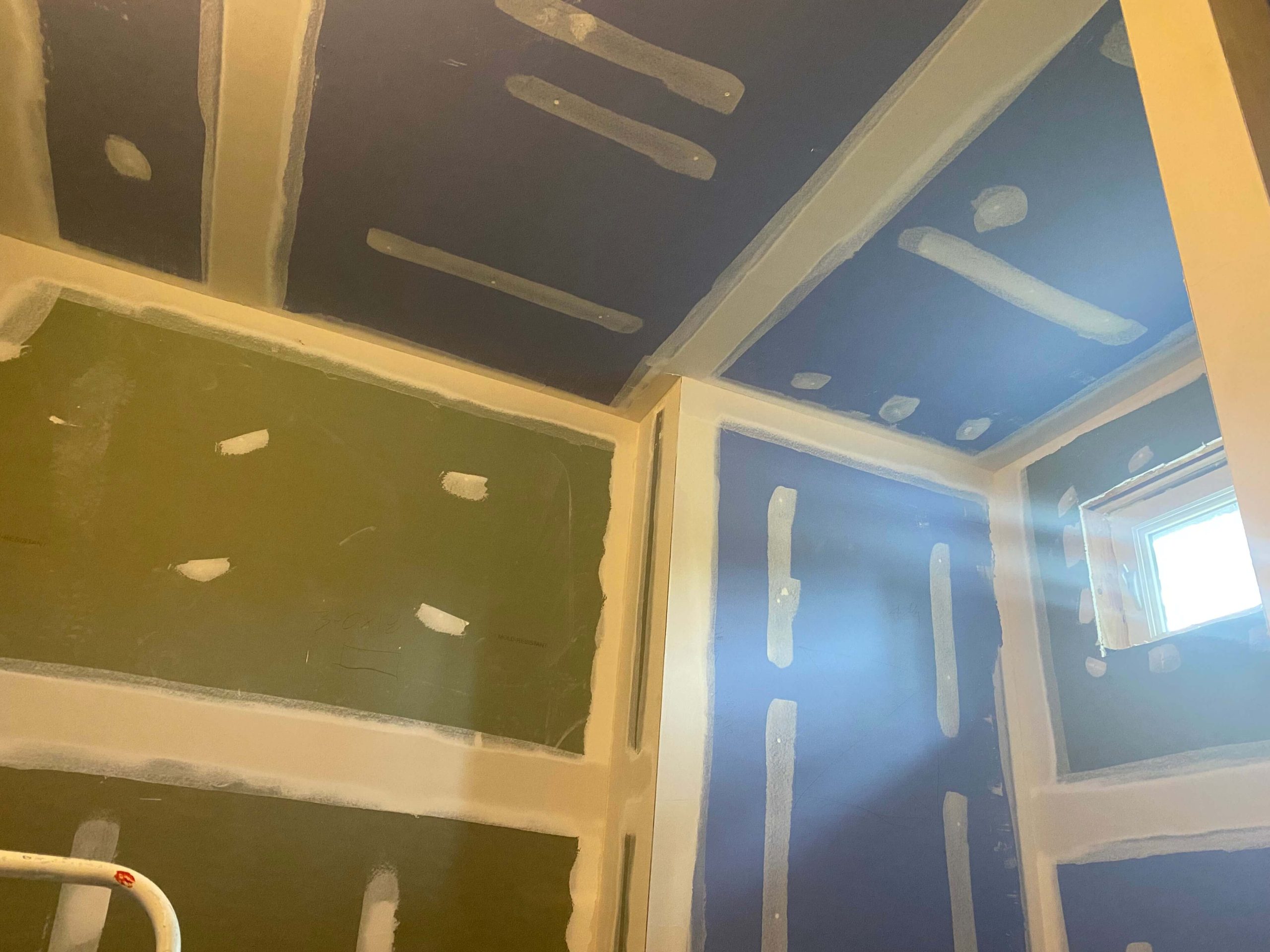
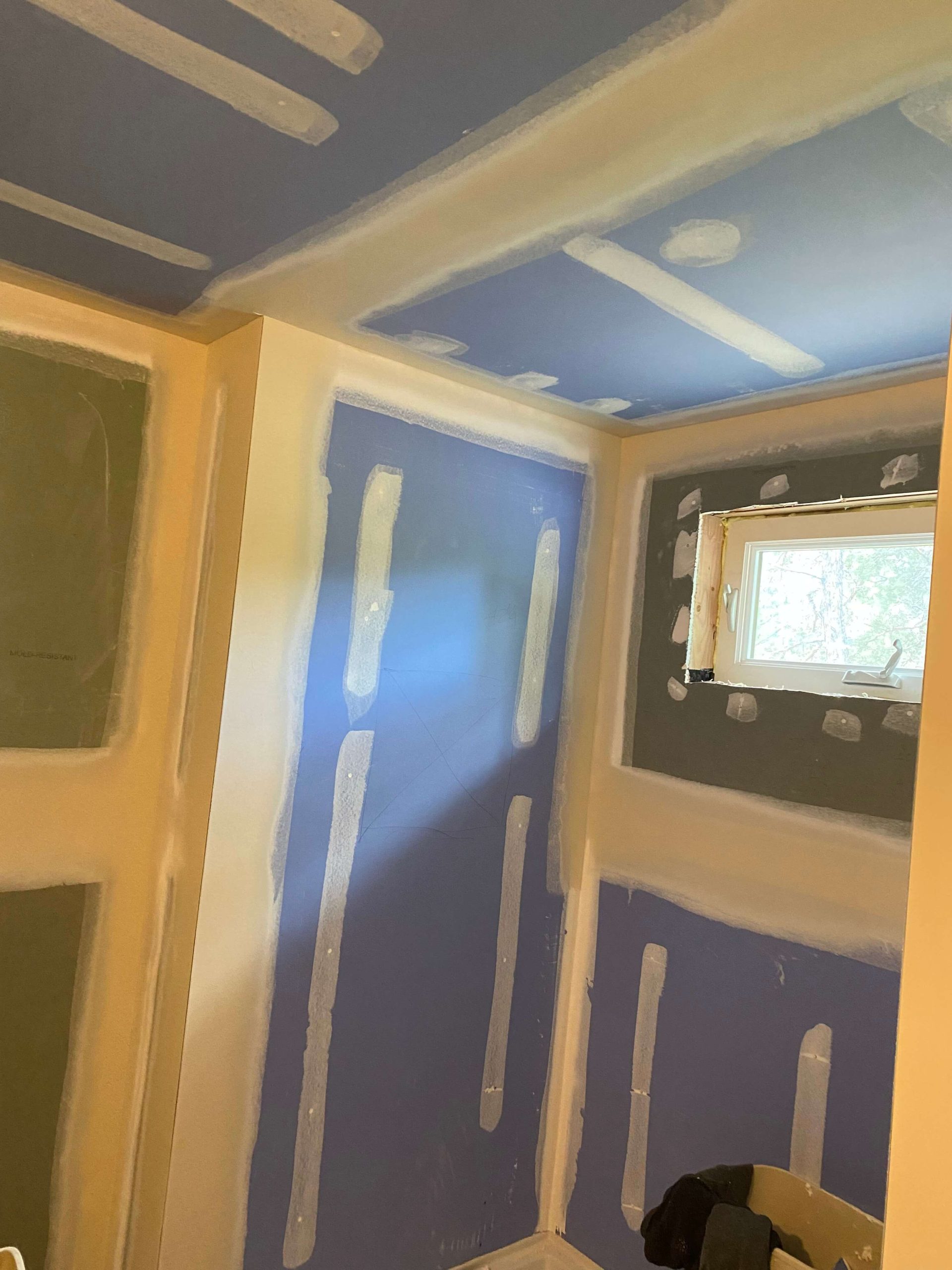
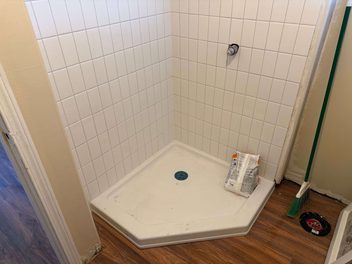
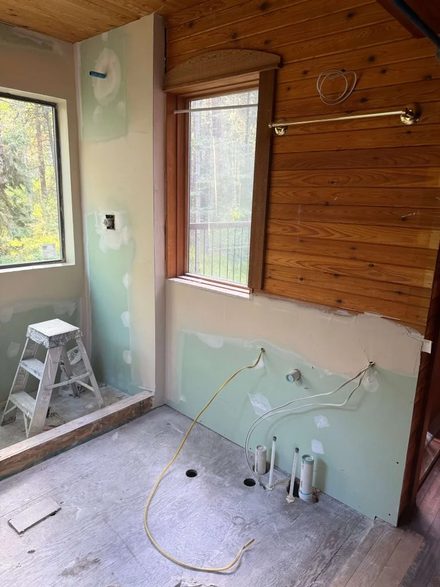
Here’s what separates a tile job that lasts twenty years from one that starts failing in three: what’s underneath. A properly prepared substrate — whether that’s cement board, an uncoupling membrane, or a mud bed — is non-negotiable. In wet areas like showers and bathroom floors, proper waterproofing is just as critical. Water that gets behind tile will eventually destroy a wall, and it can do a lot of damage before you even notice it.
I take substrate prep and waterproofing seriously because I’ve seen what happens when corners get cut. Every shower I tile gets properly waterproofed — full stop. It’s not a place to save money, and any installer who tells you otherwise is not someone you want touching your bathroom.
Other Tile Applications
Here’s what separates a tile job that lasts twenty years from one that starts failing in three: what’s underneath. A properly prepared substrate — whether that’s cement board, an uncoupling membrane, or a mud bed — is non-negotiable. In wet areas like showers and bathroom floors, proper waterproofing is just as critical. Water that gets behind tile will eventually destroy a wall, and it can do a lot of damage before you even notice it.
I take substrate prep and waterproofing seriously because I’ve seen what happens when corners get cut. Every shower I tile gets properly waterproofed — full stop. It’s not a place to save money, and any installer who tells you otherwise is not someone you want touching your bathroom.
Other Tile Applications
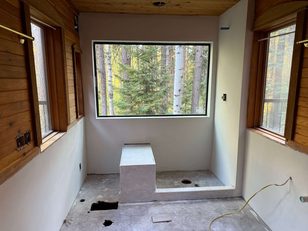
Beyond bathrooms, I handle tile installation in kitchens, laundry rooms, entryways, and other areas of the home. Each application has its own requirements — floor tiles need to be rated for foot traffic and slip resistance, kitchen backsplashes require different adhesive and grout considerations than a wet shower, and large-format tiles need additional attention to levelness and substrate flatness.
I work with a wide range of tile materials including ceramic, porcelain, natural stone, and glass, and I’m comfortable with different layout patterns including straight set, diagonal, herringbone, subway, and more complex custom designs.
Helping Customers Save Without Sacrificing Quality
One thing I pride myself on is being straightforward with customers about where money is well spent and where it isn’t. Not every project needs the most expensive tile or the highest-end materials to look amazing — and I can help you get a high-quality result without overspending. I’ve built relationships with suppliers in the area and know how to source quality materials at fair prices.
Services Include
- Bathroom floor and wall tile installation
- Shower tile and waterproofing systems
- Kitchen backsplash installation
- Entryway and mudroom tile
- Large-format tile installation
- Natural stone and porcelain work
- Grout sealing and tile repairs
- Tile layout planning and design consultation
TESTIMONIAL
What Our Clients Say
Marco and his team renovated a town home for us. The work included framing, plumbing, electrical, drywall, painting and custom tile work. The craftsmanship was outstanding. They met their schedules and estimates and communicated well throughout the project. We have recommended them to friends and will absolutely use them in the future.
Brian and Michelle Nelson
I’ve hired Drywall Designed by Marco for several projects, and Marco consistently delivers exceptionally smooth drywall finishes—a skill that’s hard to find. While the process may require some patience, Marco is committed to addressing any issues and ensuring the final result meets high standards. I’m very satisfied with the quality of his work and would recommend him for anyone looking for top-notch drywall finishing.
Tonny Edward
We needed a drywall finisher. Marco showed up promptly gave us a bid, and got right to work. He is not completely done yet, but he has been very professional and everything looks very well done. We are very happy with Marco.
Gordon K. (Yelp)
CONTACT US
Request a Tile Installation Estimate
Tile Installation FAQs
What types of tile installation do you provide in Bend, Oregon?
We install tile for showers, bathroom walls and floors, tub surrounds, kitchen backsplashes, entryways, mudrooms, and other residential spaces throughout Bend and Central Oregon.
Do you waterproof showers before installing tile?
Yes. A tiled shower requires a complete waterproofing system beneath the finished tile. We carefully address seams, corners, niches, penetrations, and transitions to help protect the surrounding structure.
Can you install large-format tile?
Yes. Large-format tile requires a properly prepared substrate, careful layout, suitable mortar, and close attention to surface flatness. We evaluate the space and tile before recommending an installation method.
What tile materials do you work with?
We work with ceramic, porcelain, natural stone, glass, mosaics, and other common tile products. Installation methods vary based on the tile material, size, surface, and intended use.
Can you help plan the tile layout and pattern?
Yes. We plan the layout around the room dimensions, focal points, fixtures, openings, and transitions. This helps create balanced lines while minimizing awkward cuts in highly visible areas.
How long does a bathroom or shower tile installation take?
The schedule depends on demolition, repairs, substrate preparation, waterproofing, tile size, pattern, curing time, and grout. We evaluate these factors before providing a project timeline.